
Windows Installation Has Failed on Windows 11 or 10 (12 Easy Fixes)
Have you encountered you’ve seen the “Windows Installation Failed” error while installing or updating Windows? If yes, then you’re not alone.
The issue could occur when you install a fresh installation or an Windows upgrading, or installing Windows using an bootable USB drive. In certain cases the installation will stop halfway. In other cases, the installation abruptly closes and shows an error message, without providing the precise cause.
The positive side is that this problem is often fixable.
In this article we’ll explain the reasons Windows installation is failing and how to fix it using tried and tested techniques that work for the two platforms of Windows 10 as well as Windows 11. If your installation has stopped or your USB installer isn’t functioning or Windows installation is failing these solutions can assist.
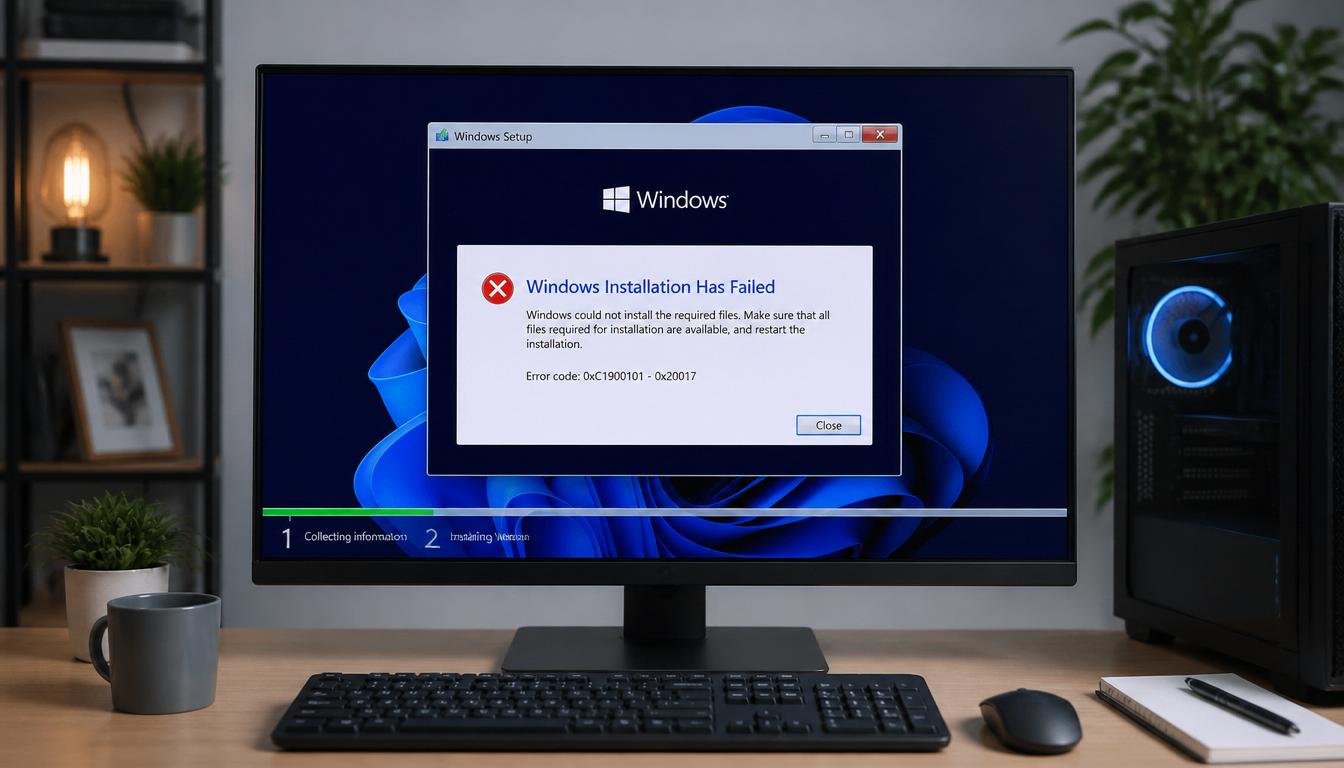
What Does “Windows Installation Has Failed” Mean?
This Windows Installation Has Failed error is displayed when Windows Setup is unable to complete the installation process.
This may happen:
- Upgrade Windows 10 Windows 10 to Windows 11
- Windows 10 installation Windows 10 from a USB drive
- Clean installation
- Resetting a PC
- Windows installation Windows after replacing an SSD or hard drive SSD
The error usually appears in messages like:
- Windows installation has been unsuccessful
- Windows setup failed
- Windows configuration was unable to continue
- Windows installation had an unexpected error
- Windows did not finish the installation
In simple terms, Windows starts the installation but there’s a reason that stops it from completing with success.
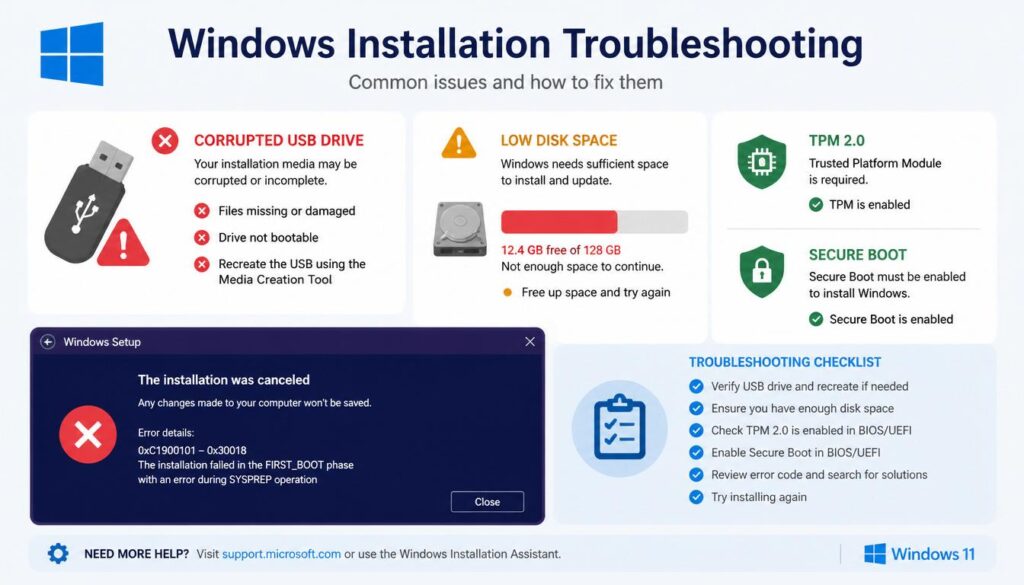
Windows Installation Has Failed
Why Does Windows Installation Fail?
Before you can fix the problem It is important to know what is causing it.
Below are the top frequently cited motives.
| Cause | Description |
|---|---|
| Corrupted Installation Media | damaged ISO files or damaged USB drives could cause problems with setup. |
| Not Enough Storage Space | Windows requires sufficient space in order to run the installation. |
| TPM or Secure Boot Issues | Windows 11 requires TPM 2.0 and Secure Boot on supported systems. |
| Damaged System Files | Damaged files could stop the setup process from going on. |
| BIOS Configuration Problems | Incorrect BIOS settings may block installation. |
| Faulty USB Device | An unrepaired USB stick could cause problems with installation. |
| Driver Conflicts | Incompatible or obsolete drivers could cause disruption to setting. |
| Hardware Compatibility Issues | Problems with RAM, CPUs that are not supported or storage issues can cause problems. |
Many users waste their time trying various fixes, but the issue is more simple, such as damaged USB installer or the wrong BIOS settings.
Quick Checklist Before You Start
Before attempting more advanced solutions, read this short checklist.
Make Sure:
Your PC is in compliance with Windows requirements.
It was created correctly. USB was properly created.
You’re entitled to at minimum 64GB of storage space free.
All important files are stored in a safe place.
External devices are not connected
BIOS is updated when necessary
TPM as well as Secure Boot are enabled for Windows 11
This is the official Windows ISO
If everything is looking good then move on to the next step.
Fix 1: Disconnect All Unnecessary Devices
This is among the easiest fixes that often resolves the issue immediately.
Windows Setup loads drivers during installation. External devices can cause conflicts that can stop the installation.
Disconnect:
- External hard drives
- Printers
- USB hubs
- Webcams
- Bluetooth adapters
- Memory card readers
- Additional USB drives
Connect only to the internet:
- Keyboard
- Mouse
- Windows installation USB
After disconnecting all other devices after disconnecting everything else, you can start the installation again.
Many users report that Windows setup is normally completed after they have removed any peripherals that are not needed.
Fix 2: Check If Your PC Meets Windows Requirements
This step is crucial especially for Windows 11.
Contrary to Windows 10, Windows 11 is more demanding on hardware.
Windows 11 Minimum Requirements
| Requirement | Minimum |
|---|---|
| Processor | 1 GHz, 2 cores, 64-bit |
| RAM | 4 GB |
| Storage | 64 GB |
| TPM | TPM 2.0 |
| Secure Boot | Required |
| Firmware | UEFI |
If your hardware doesn’t comply with these specifications, Windows 11 installation may be delayed or fail to complete.
How to Check Compatibility
- Press Windows + R
- Type msinfo32
- Press Enter
- Review system information
Microsoft’s PC Health Check tool to check compatibility.
If your computer isn’t supported, Windows setup may stop suddenly or show installation errors.
Fix 3: Free Up Disk Space
Storage insufficientness is another frequent reason Windows installation does not succeed.
Although Windows might list the requirements for minimum storage space, setup generally requires extra space to store temporary files.
Recommended Free Space
| Windows Version | Recommended Space |
|---|---|
| Windows 10 | 25 GB+ |
| Windows 11 | 70 GB+ |
Free Up Storage
You are able to remove:
- Temporary files
- Old downloads
- Large videos
- Applications that are not used
- Recycle Bin contents
Use Disk Cleanup
- Search for Disk Cleanup
- Start the tool
- Choose your system drive
- Select files that are not needed
- Click OK
Once you have enough space free Try the installation over again.
Windows Installation Has Failed
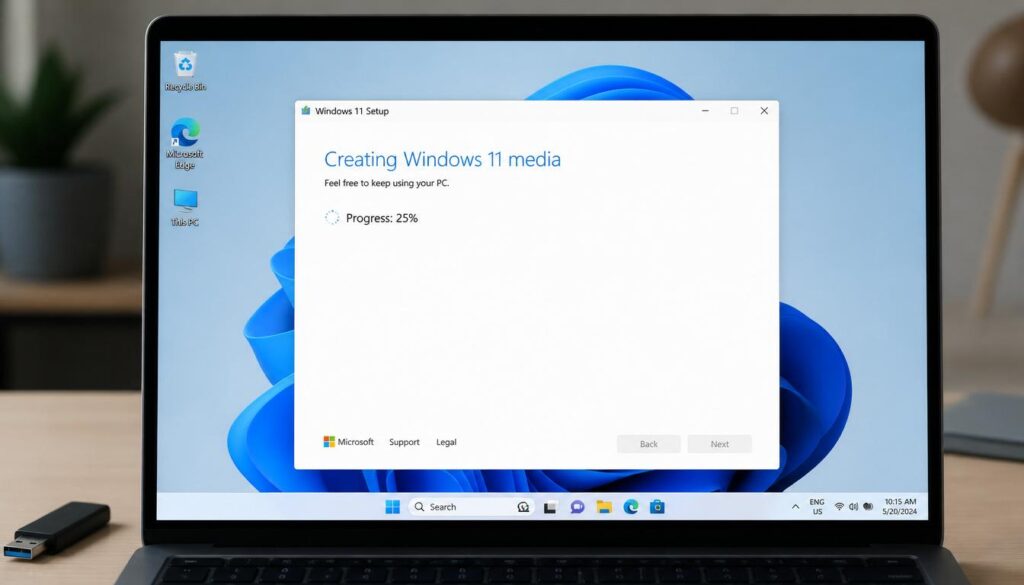
Windows Installation Has Failed
Fix 4: Create a New Bootable USB Drive
Damaged installation USB is among the main causes for Windows set-up failures.
Many installations fail due to:
- It was found that the ISO download was insufficient.
- The USB creation process was unsuccessful.
- The USB drive is a bad sector.
Signs of a Faulty Installation USB
- Setup freezes at random
- Installation stops at different levels
- Windows cannot locate the installation files
- Error codes are displayed during the setting up
Create a Fresh USB Installer
- Download the most up-to-date Windows ISO from Microsoft.
- Connect an USB drive that has at least 8GB of capacity.
- Use Microsoft’s Media Creation Tool.
- Create a brand new bootable USB.
- Start the process again.
If you are able, try using an alternative USB stick since certain older drives trigger problems with reading when installing.
Fix 5: Enable TPM 2.0
If you’re planning to install Windows 11, TPM is one of the first things to be checking.
TPM is a shorthand in Trusted Platform Module. It enhances system security and is required for the majority of Windows 11 installations.
How to Check TPM Status
- Press Windows + R
- Type tpm.msc
- Press Enter
If TPM is turned on the TPM information will be shown.
If TPM is disabled or not available, Windows 11 installation may be unable to complete.
Enable TPM in BIOS
The exact location is determined by the manufacturer of your motherboard.
Consider options like:
- TPM
- Intel PTT
- AMD fTPM
- Security Device Support
You can enable this feature. Save any changes and then restart your computer.
Windows Installation Has Failed
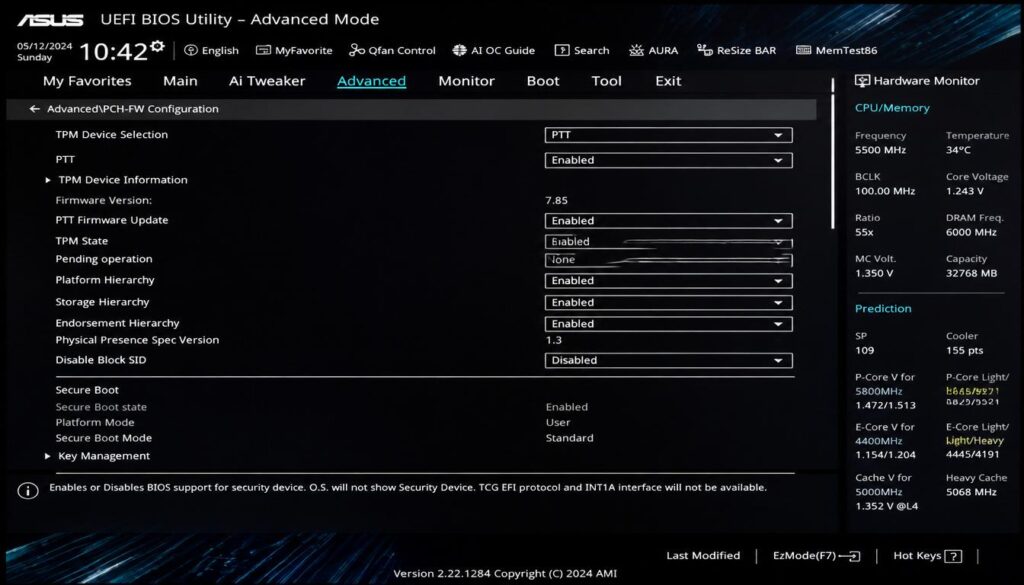
Windows Installation Has Failed
Fix 6: Enable Secure Boot
Secure Boot works together with TPM to safeguard Windows at startup.
In the event that Secure Boot is disabled, Windows 11 setup may stop or stop installing.
Check Secure Boot Status
- Press Windows + R
- Type msinfo32
- Press Enter
- Find Secure Boot State
If it’s off then you’ll need to enable it.
Enable Secure Boot
- Restart your computer
- Click on BIOS as well as UEFI settings
- Locate Secure Boot
- Change the setting to Enabled.
- Save any changes you make and then restart
After having enabled Secure Boot, run the installation once more.
What If These Fixes Don’t Work?
If Windows installation fails to start after examining the requirements for hardware storage space TPM Secure Boot, and USB media for installation, the issue could be related to:
- System files that are corrupted
- Boot Configuration Data (BCD) errors
- Driver conflicts
- GPT and MBR partitioning problems
- BIOS firmware issues
In the next part we’ll discuss the more advanced solutions that resolve the some of the most difficult Windows installation errors, which include SFC, DISM, Bootrec commands, Clean Boot, GPT conversion and BIOS updates.
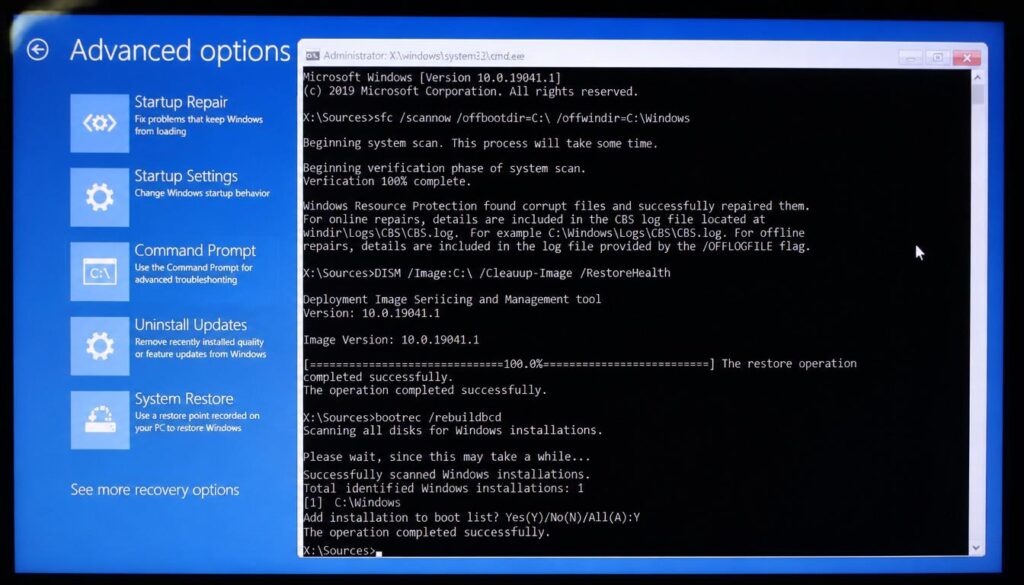
Fix 7: Run the SFC Scan to Repair Corrupted System Files
If you’re updating Windows instead of doing an entirely clean install damaged system files might cause the setup to fail.
Windows has a built-in tool known as SFC, or System File Checker (SFC) that examines and fixes corrupted files on a regular basis.
Steps to Run SFC
- Open Command Prompt as Administrator.
- Enter the command below and then press Enter:
sfc /scannow- You must wait for the scan to complete.
- Start your PC.
If Windows discovers damaged files, it will try to fix them by itself.
After restarting, test the installation once more.
Windows Installation Has Failed
Windows Installation Has Failed
When Should You Use SFC?
SFC is recommended if: SFC Use SFC if:
- Windows upgrade keeps failing
- Windows setup crashes unexpectedly
- Installation begins but does not finish
- The system files could be corrupted.
Fix 8: Use DISM to Repair the Windows Image
Sometimes SFC alone is not enough to fix the deeper problems within Windows. Windows image.
In this case, you can take advantage of DISM (Deployment Images Service as well as Management).
This tool can repair Windows installation files which SFC relies on.
Steps to Run DISM
Run Command Prompt as an administrator and execute the following commands, one at a:
DISM /Online /Cleanup-Image /CheckHealthDISM /Online /Cleanup-Image /ScanHealthDISM /Online /Cleanup-Image /RestoreHealthThe final command can be lengthy.
When it is finished:
- Restart the PC.
- Run
sfc /scannowagain. - Try again Windows installation.
Many issues with upgrade installation are resolved after the repair of your Windows image.
Fix 9: Rebuild the Boot Configuration Data (BCD)
If your boot file is in a state of repair, Windows Setup may fail before the installation is completed.
Building this Boot Configuration Data often fixes issues with installation caused by startup files.
How to Rebuild BCD
Start using Your Windows install USB.
If the screen for setting appears:
- Press Shift + F10
- Command Prompt will be displayed.
Then, run these commands:
bootrec /fixmbr bootrec /fixboot bootrec /scanos bootrec /rebuildbcd After executing all commands:
- Restart your computer.
- Restart the installation.
This solution is particularly useful for situations where Windows installation fails following replacing a drive, or after repairing an unsound system.
Fix 10: Convert MBR to GPT
A lot of Windows 11 installation failures happen because the drive is using MBR (Master Boot Record) instead of GPT (GUID Partition Table).
Windows 11 works best with:
- UEFI mode
- GPT partition style
Check Your Drive Type
- Press Windows + X
- Open Disk Management
- Right-click your disk
- Select Properties
- Open the Volumes tab
Check for:
Partition Style
If it displays MBR the conversion could be necessary.
Why GPT Matters
GPT is a supporter of:
- UEFI boot
- Secure Boot
- Larger drives
- Greater reliability
If you’re running an unclean installation, you’ll be able to delete partitions during setup, and allow Windows establish GPT partitions in a way that is automatic.
It is important to Backup important data prior to conversion of the drive.
Fix 11: Perform a Clean Boot
Background software could hinder Windows Setup.
Common examples include:
- Antivirus software
- VPN-related applications
- Tools for optimizing systems
- Driver management utilities
A Clean Boot begins Windows with just the essentials.
Steps to Perform a Clean Boot
- Press Windows + R
- Type:
msconfig - Press Enter
Under Services
- Verify All Microsoft services are hidden Microsoft services
- Click Disable All
Under Startup
- Open Task Manager
- Deactivate all items that start
Restart your computer and begin the installation once more.
This technique is often used to fix Windows set-up issues due to software conflict.
Fix 12: Update Your BIOS
A dated BIOS could cause problems with installation particularly on hardware that is newer.
BIOS updates improve:
- Hardware compatibility
- Support for TPM
- Storage controller support
- Stability of the system
When Should You Update BIOS?
Consider a BIOS update if:
- Windows 11 refuses to install
- The TPM settings are not present
- Secure Boot behaves incorrectly
- New SSDs aren’t being detected correctly
Important Warning
A BIOS update must be done cautiously.
Always:
- Download BIOS updates from the manufacturer’s site for your motherboard
- Follow the official directions
- Do not interrupt the process of updating
A failure to update the BIOS update can render the PC inoperable.
How to Fix Windows 11 Installation Failed from USB
A lot of users have encountered problems with Windows Installation Has Failed from USB issue.
If this is the case, you should make sure to do the following:
Use the Latest Windows 11 ISO
Older ISO files may have outdated installation files.
Download a brand new ISO straight from Microsoft.
Recreate the Bootable USB
A damaged USB installer is among the most frequent causes of installations that fail.
Use:
- Media Creation Tool
- Rufus
to create a fresh installation drive.
Verify TPM and Secure Boot
Windows 11 installation may stop if:
- TPM 2.0 is disabled
- Secure Boot is disabled
Make sure you check the setting in BIOS.
Try Another USB Port
Front USB ports may cause problems during installation.
Make use of an motherboard USB port located on the back of your PC whenever you can.
Replace the USB Drive
Afflicted USB drives can cause various installation errors.
If you have the option, create the installer on a different USB stick.
How to Fix Windows 10 Installation Failed
Even though Windows 10 has fewer hardware requirements than Windows 11, installation failures are still common.
Common Causes
- ISO files damaged ISO files
- Driver conflicts
- Windows files corrupted Windows files
- Small storage space
- Incorrect installation media
Recommended Fix Order
- Connect peripherals
- Run SFC
- Run DISM
- Create a brand new USB installer
- Perform a Clean Boot
- Rebuild BCD If necessary
This method solves the majority of Windows 10 installation issues without needing a complete system reset.
Windows Installation Error Codes Explained
Sometimes Windows displays an error message instead of an explicit message.
Here’s what the most commonly used codes mean.
| Error Code | Meaning | Possible Fix |
|---|---|---|
| 0x80070005 | Permission issue | Run the setup as an administrator |
| 0x8007025D | Files from the installation that are damaged | Recreate USB installer |
| 0x8007045D | Hardware or storage error | Examine the SSD health or HDD health |
| 0x80070570 | Files for installation that are corrupted | Download a new ISO |
| 0xC1900101 | Conflict with the driver | Remove or update drivers |
| 0x800F0922 | Update installation issue | Go online and check partitions and internet. |
The correct understanding of the error code can make a difference in the time spent on trying to solve problems.
Windows Installation Stuck at 35%, 46%, 64%, or 99%
A lot of users are aware the fact that Windows Setup freezes at a certain percentage, and then does not move forward. The percentage at which the installation is stuck frequently can provide clues to the root of the issue.
Windows Installation Stuck at 35%
If Windows installation freezes at around 35 percent, it is usually due to:
- Installation files corrupted and corrupted
- The USB drive is faulty USB drive
- Damaged RAM
- Driver conflicts
What to Do
- Make a copy of the install USB
- Disconnect external devices
- If possible, test RAM
- Use a different USB port
Windows Installation Stuck at 46%
This step is usually linked to the installation of drivers.
Possible Causes
- Drivers who are out of date
- Hardware conflicts with external sources
- BIOS compatibility issues
Fixes
- Eliminate any unnecessary peripherals
- Update BIOS
- Perform an unclean Boot before you upgrade
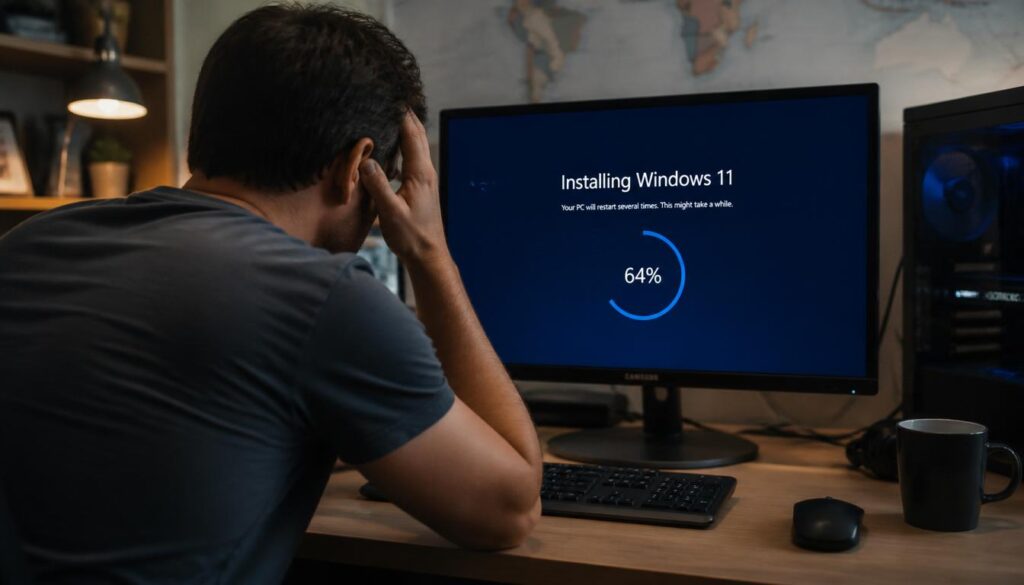
Windows Installation Stuck at 64%
If installation is stopped at 64 percent, Windows is usually configuring the system settings.
Try These Solutions
- Make sure to wait at least 30 mins before you assume that it’s frozen
- Connect the internet for a short time.
- Restart the installation, and then try it again.
- Perform SFC as well as DISM scans
Windows Installation Has Failed
Windows Installation Has Failed
Windows Installation Stuck at 99%
Many people panic when their set-up reaches 99%, and remains there.
In real life, Windows may still be working on tasks in the background.
Recommended Steps
- Up to an hour of waiting
- Do not force a shutdown to occur immediately.
- Make sure you are checking the health of your storage
- Recreate the installation media if this issue occurs repeatedly
Common Mistakes to Avoid
Even the most experienced users can make errors that can result in Windows installations to stop working.
Using an Unofficial Windows ISO
Be sure to Download Windows direct from Microsoft.
Modified ISO files are often old or damaged installation files.
Ignoring TPM and Secure Boot Requirements
Numerous Windows 11 installation problems happen due to TPM 2.0 or Secure Boot is not working.
Make sure you have both settings checked prior to starting the installation.
Using an Old USB Drive
Older USB drives are prone to developing bad sectors that can cause errors during installation.
If you are able, make use of the most reliable USB 3.0 drive.
Skipping Data Backup
Before making any major modifications to partitions or installing Windows Make backups of important files.
Not Checking Disk Space
Windows needs space to allow installation files to be unpacked and also create temporary data.
Storage levels are low and can cause setup to stop abruptly.
Interrupting the Installation
Be careful not to restart or shut down the system while the setup process is in progress unless the process has been completely stopped for a long time.
Expert Tips to Prevent Windows Installation Errors
These easy tips will aid you to avoid problems with installation in the near future.
Use Official Windows Installation Media
Always make use of the Microsoft Media Creation Tool or official ISO files.
Keep BIOS Updated
Manufacturers regularly make BIOS updates to improve Windows compatibility.
Check SSD or HDD Health
A failing storage drive can cause random installation failures.
Use GPT Instead of MBR
For the most modern platforms, GPT is more compatible when it is paired with UEFI or Windows 11.
Disconnect Extra Hardware
Only connect essential devices during installation.
Verify Hardware Compatibility
Check to see if your RAM, CPU motherboard, storage, and CPU are up to Windows specifications.
Windows Installation Has Failed
Windows Installation Has Failed
Frequently Asked Questions
What is the reason why Windows installation continue to fail?
Windows installation is usually unsuccessful due to damaged installation media, inadequate storage space damaged system files, hardware compatibility issues, or BIOS configuration problems.
How do I fix Windows Installation Has Failed?
Start by disconnecting any external devices, examining the storage space and re-creating the installation USB by enabling TPM as well as Secure Boot, and running SFC and DISM scans.
Why can’t Windows 11 install from a USB drive?
The USB drive could be corrupted, or the ISO file could have been damaged or the TPM or Secure Boot requirements may not be enabled.
Does a lack of disk space lead to Windows installation problems?
Yes. Windows requires sufficient space to install files and temporary data. Insufficient storage could stop the installation process from being completed.
What exactly is TPM 2.0 and why is it necessary?
TPM 2.0 is a security feature that protects encryption keys and ensures system integrity. The majority of compatible Windows 11 installations require it.
Does Secure Boot affect Windows installation?
Yes. Secure Boot is required for the majority of Windows 11 installations and helps stop untrusted software from loading at the initialization process.
Could a defective USB drive result in problems with installation?
Absolutely. Unreliable or damaged USB drives are among the most frequent reasons for Windows problems with setting up.
How can I fix damaged Windows files?
You can make use of these commands
sfc /scannowand
DISM /Online /Cleanup-Image /RestoreHealthThese tools scan and fix the damaged Windows files.
What is the meaning of error code 0x80070570 denote?
This usually means the corrupted installation file or storage-related issues. The process of downloading a new ISO frequently resolves the.
Should I use GPT or MBR for Windows 11?
GPT is recommended as it works with UEFI, Secure Boot, as well as the most recent Windows features.
Do an outdated BIOS create installation problems?
Yes. A dated BIOS can cause compatibility issues with more recent Windows Versions, SSDs, and security features.
Conclusion
This Windows Installation Has Failed error is a source of frustration In most cases, it’s caused by several common problems like broken installation media or inadequate storage drivers, TPM settings, driver conflicts, Secure Boot configuration, or corrupted system file.
Start with the simplest solutions first. Review the requirements for your hardware and clear disk space, unplug the devices that are not needed, and make new capable of booting USB drive. If the issue persists you can try advanced solutions such as SFC, DISM, BCD repair, GPT conversion, and BIOS updates.
Following the 12 tested solutions in this guide, the majority of Windows 10 and Windows 11 issues with installation can be fixed without assistance from a professional.
If you need any more help then you can visit our website and get help to solved many problems about windows 11.


